
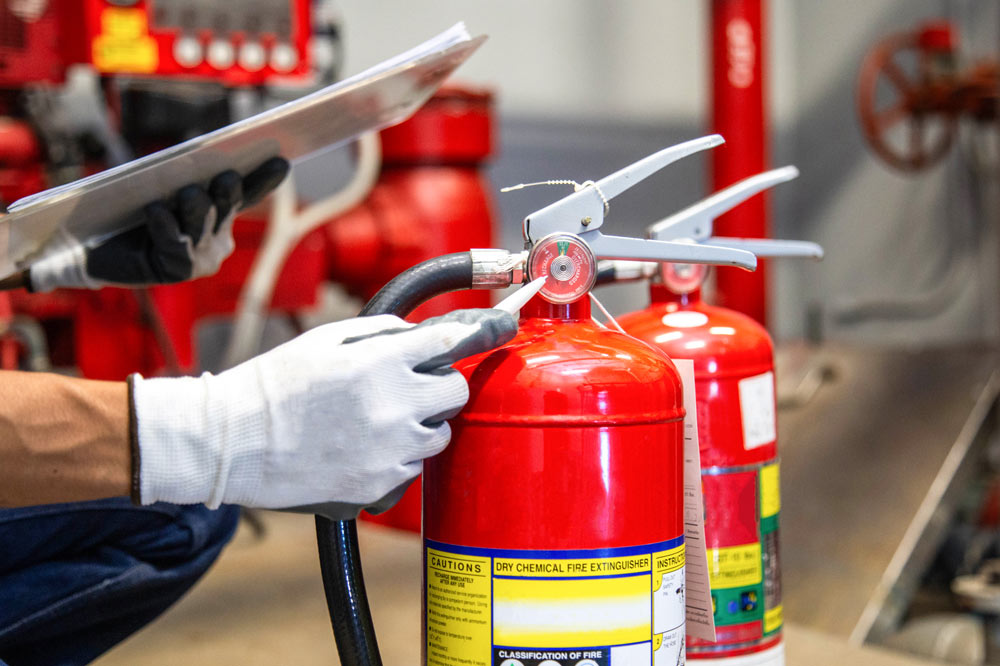
Fire compliance inspections are a crucial part of ensuring that your building meets all necessary safety regulations and is adequately protected in the event of a fire. These inspections not only help keep occupants safe but also protect your investment and ensure you meet legal requirements. But when exactly should you schedule a fire compliance inspection? In this blog post, we explore the key situations, timeframes, and triggers for carrying out a fire safety inspection.
1. During New Construction or Renovation
If you’re constructing a new building or undergoing significant renovations, a fire compliance inspection should be scheduled both during and after the work. Early-stage inspections can help identify potential issues with fire compartments, escape routes, and the installation of fire-resistant materials. Final inspections ensure that all systems, including fire doors, alarms, and passive fire protection features, are correctly installed and compliant.
Why it matters: Compliance from the start reduces the risk of costly retrofits and regulatory issues later.
2. Before Occupation of a Building
Whether you’re moving into a newly built facility or a previously occupied one, it is essential to carry out a fire compliance inspection before staff or tenants occupy the space. This ensures that all systems are functional and that the building complies with UK fire safety regulations, including the Regulatory Reform (Fire Safety) Order 2005.
Why it matters: It ensures the safety of all occupants and legal readiness for use.
3. Following Major Structural Alterations
Any structural change—such as adding or removing walls, modifying ceilings, or installing new mechanical or electrical systems—can affect fire safety. Such changes may compromise existing fire barriers or obstruct escape routes.
Why it matters: Alterations can unintentionally create fire hazards or breach compartmentation, requiring reassessment.
4. After Installing New Fire Protection Systems
If your building has recently had fire protection systems installed, such as intumescent paint, fire doors, fire curtains, or fire-stopping materials, a compliance inspection should be conducted to verify that the installation meets the manufacturer’s and legal requirements.
Why it matters: Verifying correct installation is critical for effectiveness in a fire event.
5. When There Is a Change in Building Use or Occupancy
Different uses of a building come with different fire risks. For example, converting office space into a restaurant introduces new fire hazards related to cooking equipment, fuel storage, and higher occupancy. Similarly, increasing the number of occupants can impact evacuation procedures and escape times.
Why it matters: Ensures that fire safety provisions align with new risks and usage patterns.
6. Annually, as Part of Routine Maintenance
Routine fire safety inspections should be scheduled at least once a year, even if no changes have occurred in the building. Annual inspections ensure that systems like alarms, emergency lighting, fire extinguishers, and exit signage remain in good working order.
Why it matters: Regular checks help maintain compliance and avoid degradation of key safety features.
7. After a Fire Incident or False Alarm
If your building has recently experienced a fire or a serious false alarm, a thorough fire compliance inspection should follow. The fire may have damaged protective features, and the alarm incident may highlight flaws in the current setup.
Why it matters: Post-incident inspections help prevent recurrence and restore confidence in safety systems.
8. During Fire Risk Assessments
Fire risk assessments are legally required for most UK businesses and must be reviewed regularly. Scheduling a fire compliance inspection alongside or as part of this process ensures all passive and active fire protection systems are checked in detail.
Why it matters: Supports a comprehensive understanding of risk and readiness.
9. When Taking Over a New Lease or Property
If you’re leasing or purchasing a commercial property, especially an older one, don’t assume it’s up to code. Before signing any agreements or moving in, schedule a compliance inspection to understand what fire safety upgrades may be necessary.
Why it matters: Prevents liability and unexpected remedial costs.
10. In Response to Regulatory Changes
UK fire safety legislation can evolve, as seen in updates following the Grenfell Tower tragedy. When regulations change, a fire compliance inspection ensures your building still meets the current legal standards.
Why it matters: Staying up to date helps avoid fines and ensures best practice is followed.
Who Can Perform a Fire Compliance Inspection?
Fire compliance inspections should be carried out by qualified professionals with the appropriate accreditations and knowledge of UK fire safety legislation. At Archway FPS, our team includes experienced inspectors trained to evaluate all passive fire protection systems, partitions, fire doors, coatings, and more. We deliver clear, actionable reports to help you stay safe and compliant.
Conclusion
Fire compliance inspections are not a one-time task but an ongoing commitment to safety and legal responsibility. Whether you’re building new, making changes, or maintaining an existing space, knowing when to schedule inspections can make all the difference. If you’re unsure of your current compliance status or need professional guidance, contact Archway FPS to schedule a comprehensive inspection today.


